
7-Day Machame Route Kilimanjaro Climb
A private 7-day climb of Mount Kilimanjaro on the Machame route, with our own licensed crew and two hotel nights in Moshi, 9 days in total.
Seven Days up the Southern Slopes
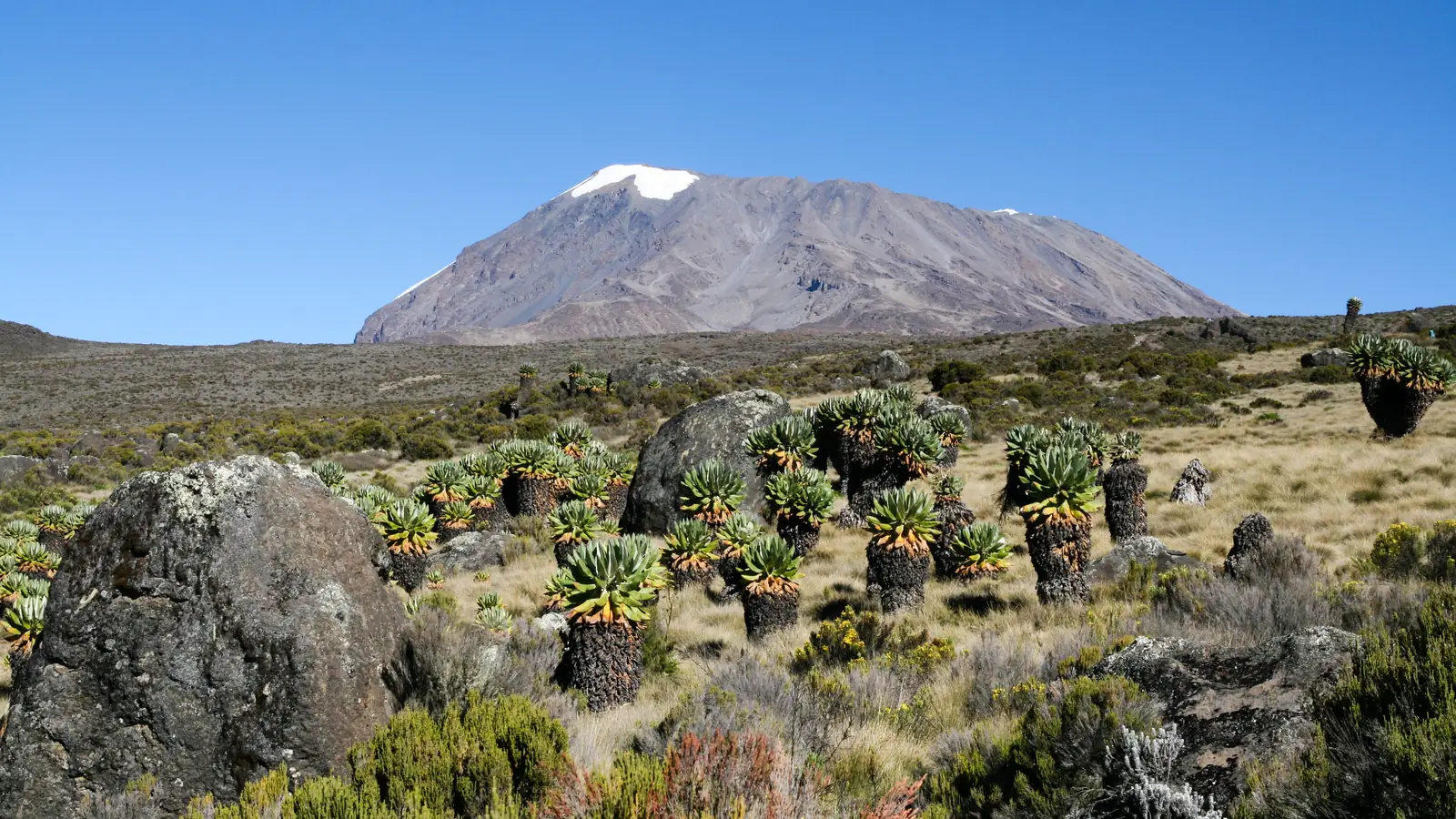
Machame starts on the southern side of Kilimanjaro, in the rainforest above Moshi, and climbs steeply to the Shira Plateau before traversing below the glaciers to Barafu, the base camp for the summit. It is one of the most popular routes on the mountain because of its scenery and its good acclimatisation profile, and you come down the other side on the Mweka route.
Seven days give your body time to adjust: on the third day you climb to the Lava Tower and sleep lower at Barranco. If you want an extra day to acclimatise and a quieter start, our 8-day Lemosho climb is the better choice.
Compare with the 8-Day Lemosho Route Kilimanjaro Climb →
Why Climbers Choose It
- 7 days on the mountain, with a "climb high, sleep low" day at the Lava Tower
- Rainforest, moorland, the Shira Plateau, the Barranco Wall and the summit glaciers
- Our own licensed guides, cook and porters, with a personal porter for your bag
- Private toilet tent, emergency oxygen and sleeping bag included
- Two nights in a hotel in Moshi, before and after the climb
Altitude Profile
Approximate altitudes in metres; published figures differ slightly between sources. D1–D7 are the days on the mountain. Day 3 climbs to the Lava Tower and sleeps lower at Barranco to help you acclimatise.
On the Mountain
Your driver meets you at Kilimanjaro International Airport and takes you to your hotel in Moshi. In the afternoon your lead guide briefs you on the climb, checks your equipment and answers your questions, so anything missing can be sorted out before you start.
Overnight: Hotel in Moshi (mid-range, or similar)
Meals: Dinner is not included on arrival day
↑ about 1,035 m · about 5–7 hours on foot
After breakfast you drive about an hour from Moshi to Machame Gate, where you register with the park while the crew packs the loads. The trail climbs steadily through tall, damp rainforest; it can be muddy after rain. Near the edge of the forest you reach Machame Camp, where your tents are already up.
Overnight: Machame Camp (tents)
Meals: Breakfast, Lunch, Dinner
↑ about 915 m · about 4–6 hours
You leave the forest behind and climb a steep, rocky ridge through heather and giant heath. In the afternoon you reach the edge of the Shira Plateau, with wide views back over the clouds and, on clear days, of Kibo's summit ahead.
Overnight: Shira Cave Camp (tents)
Meals: Breakfast, Lunch, Dinner
↑ about 890 m, ↓ about 680 m · about 6–8 hours
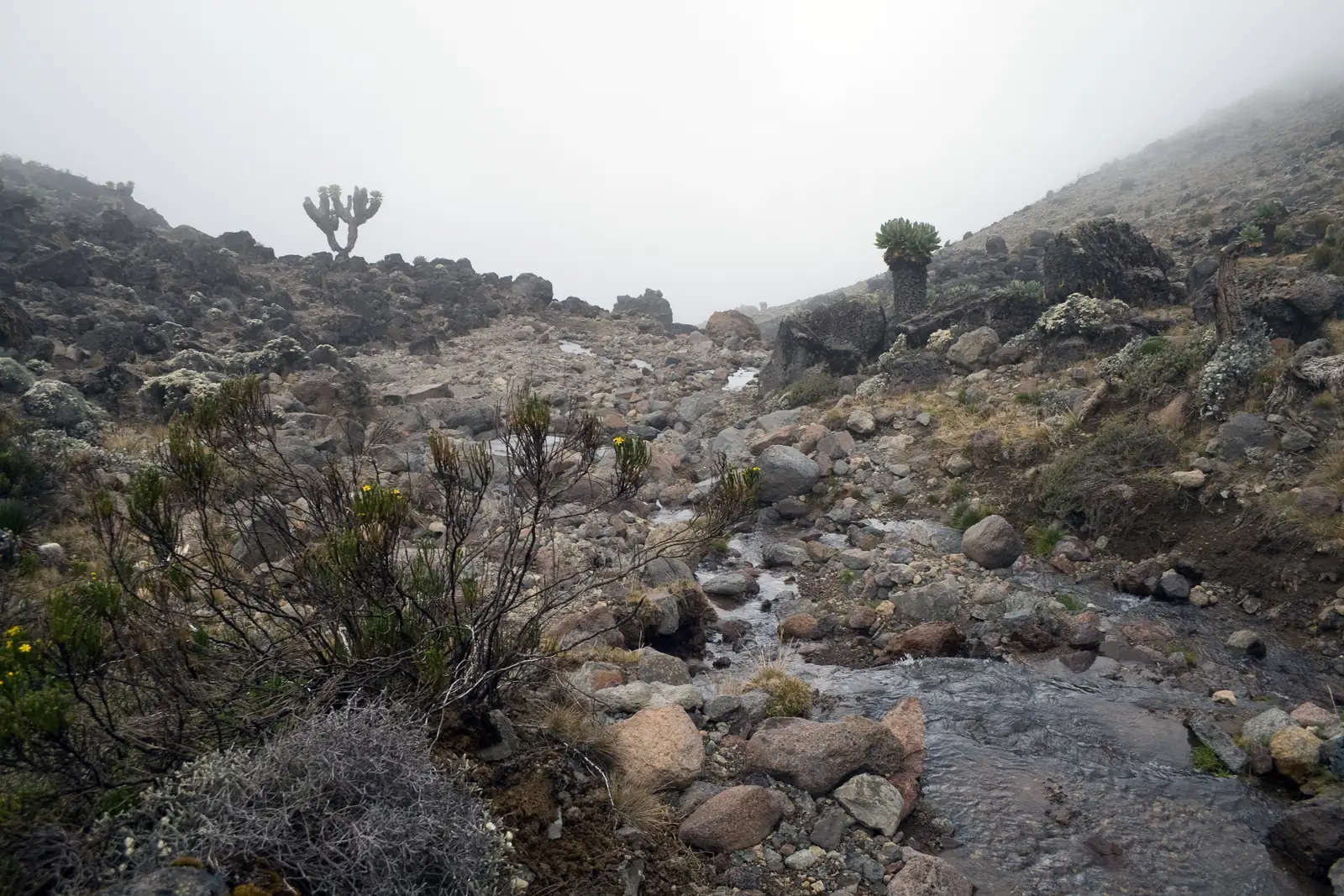
The key acclimatisation day. You climb through rocky alpine desert to the Lava Tower, a tall volcanic rock, and have lunch there at about 4,640 m. Then you walk down into the Barranco Valley, among giant groundsels, to sleep lower than you climbed. Some climbers feel the altitude today; your guides check on you all the way.
Overnight: Barranco Camp (tents)
Meals: Breakfast, Lunch, Dinner
Small net gain, with steep ups and downs · about 4–5 hours
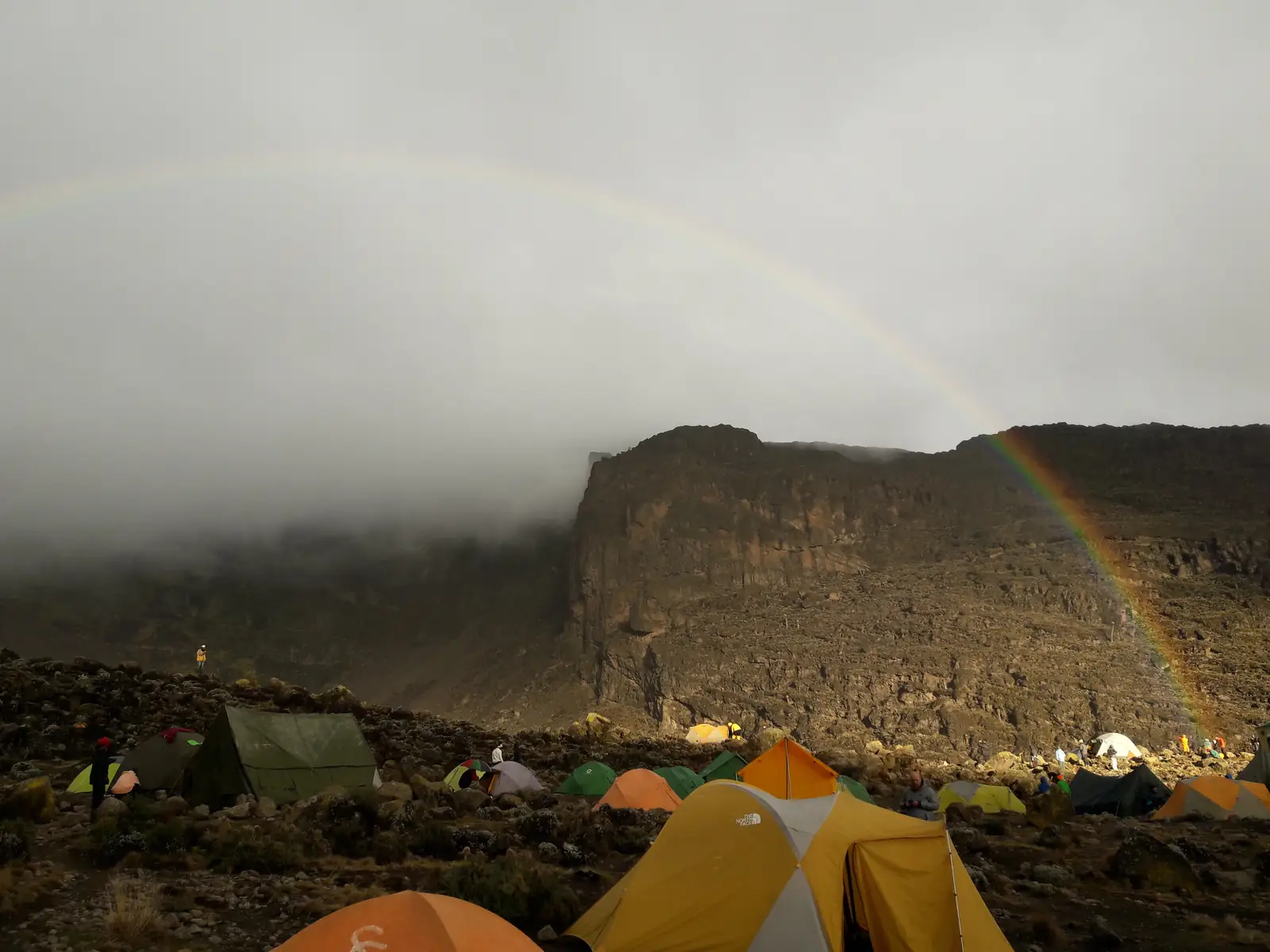
Right after breakfast you climb the Barranco Wall, the steepest part of the route. It is a scramble rather than a technical climb: in places you use your hands on the rock, and your guides show you every step. From the top the path crosses valleys below the southern glaciers to Karanga Camp.
Overnight: Karanga Camp (tents)
Meals: Breakfast, Lunch, Dinner
↑ about 605 m · about 3–4 hours
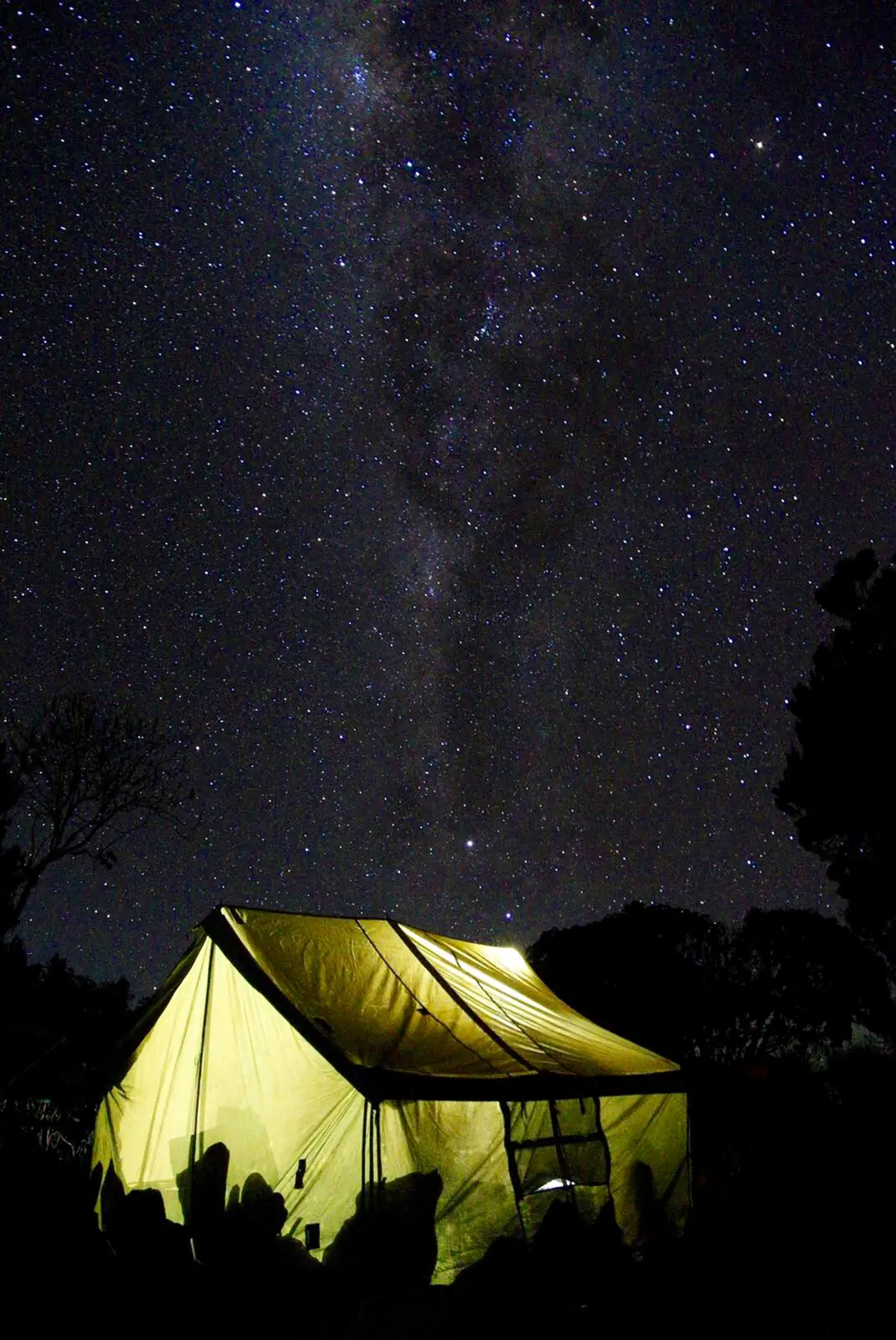
A steady climb over bare, rocky ground to Barafu, the base camp for the summit. You arrive by early afternoon, eat an early dinner, prepare your warm clothes and headlamp with your guide, and go to bed early.
Overnight: Barafu Camp (tents)
Meals: Breakfast, Lunch, Dinner
↑ about 1,255 m, ↓ about 2,815 m · about 10–14 hours
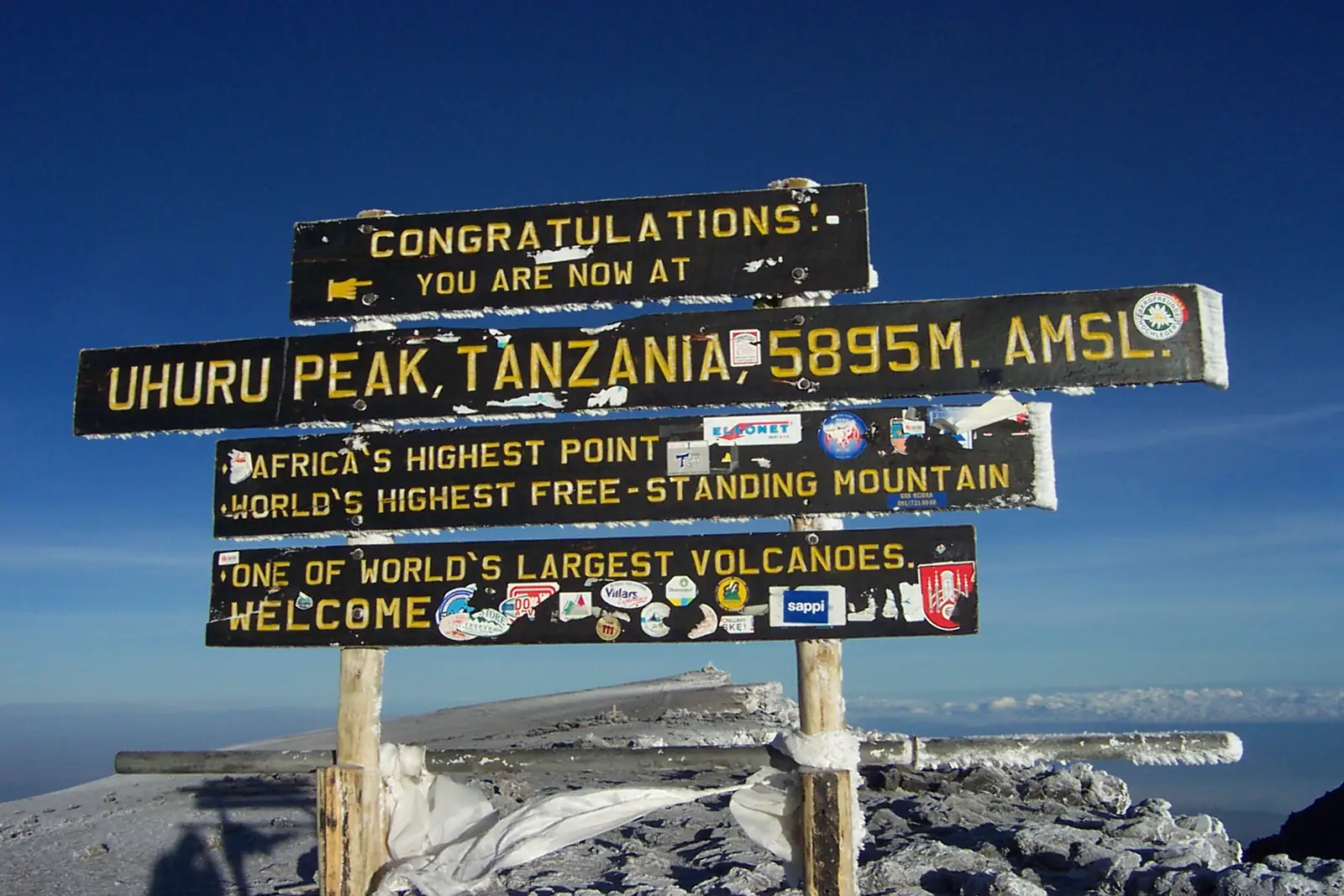
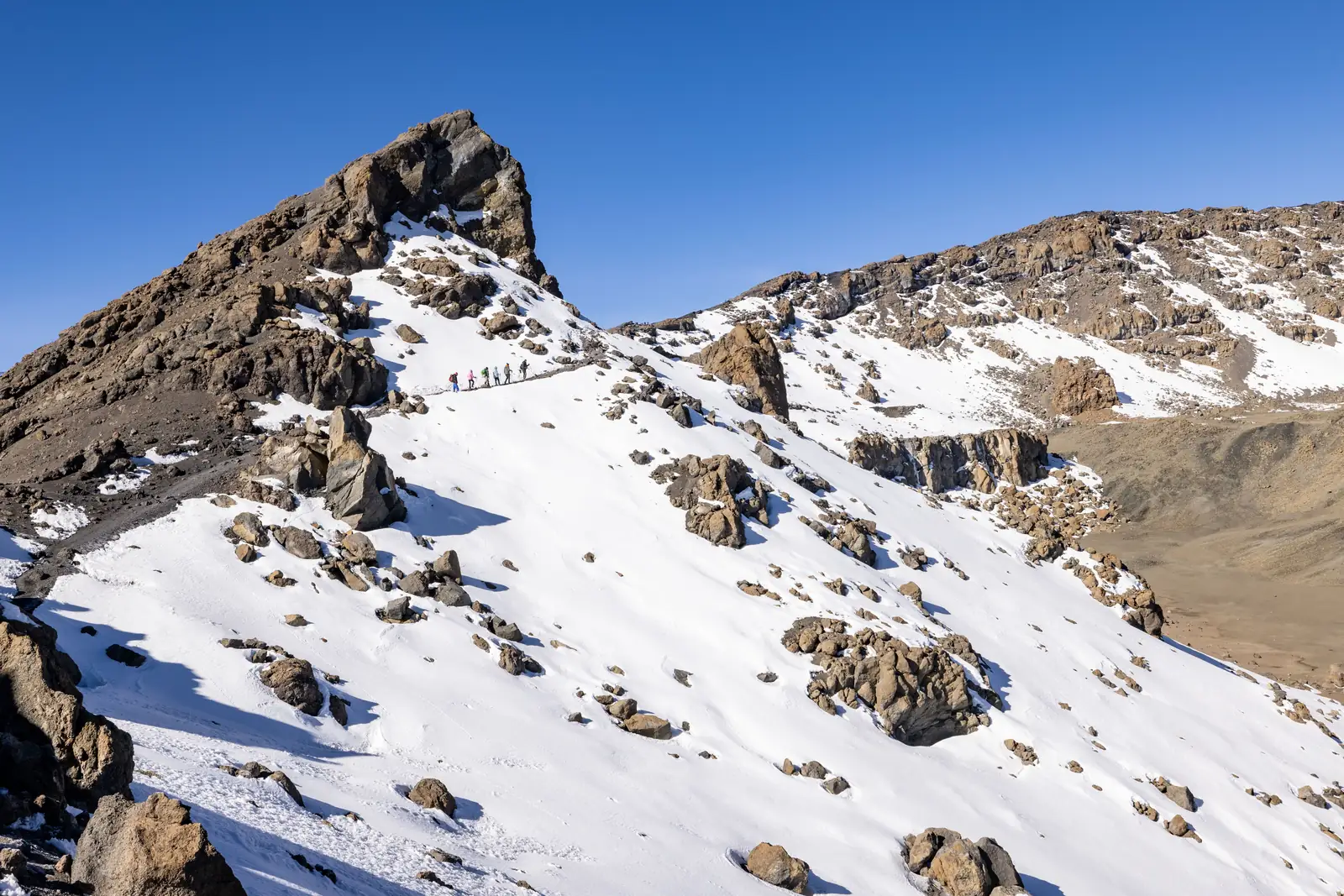
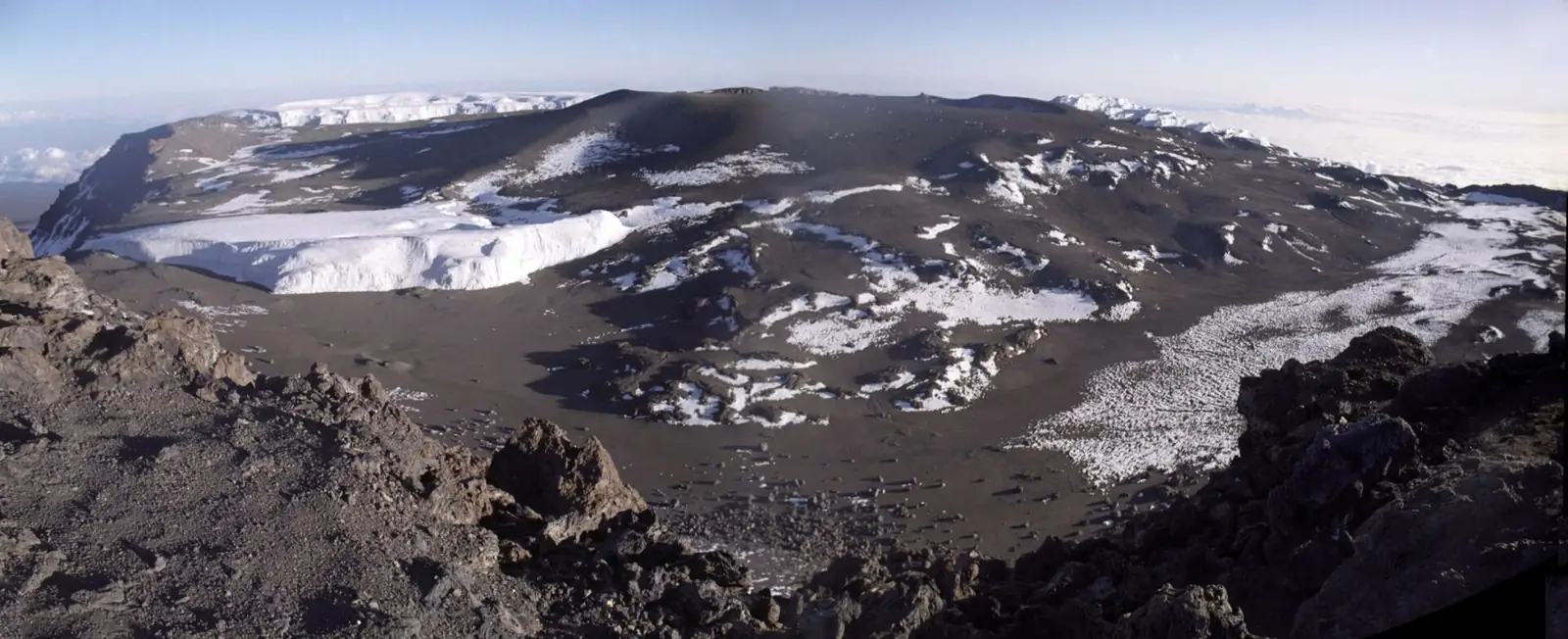
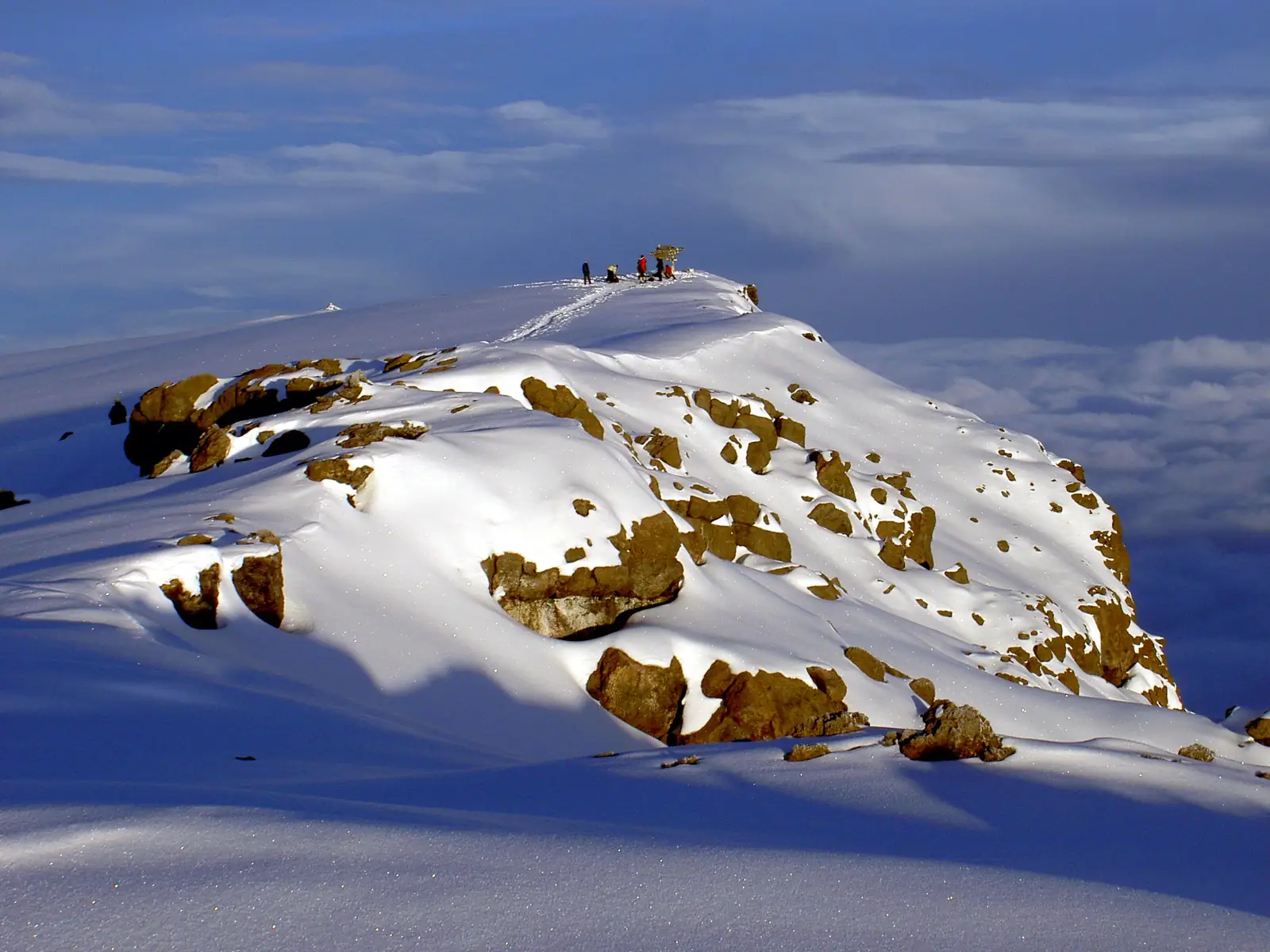
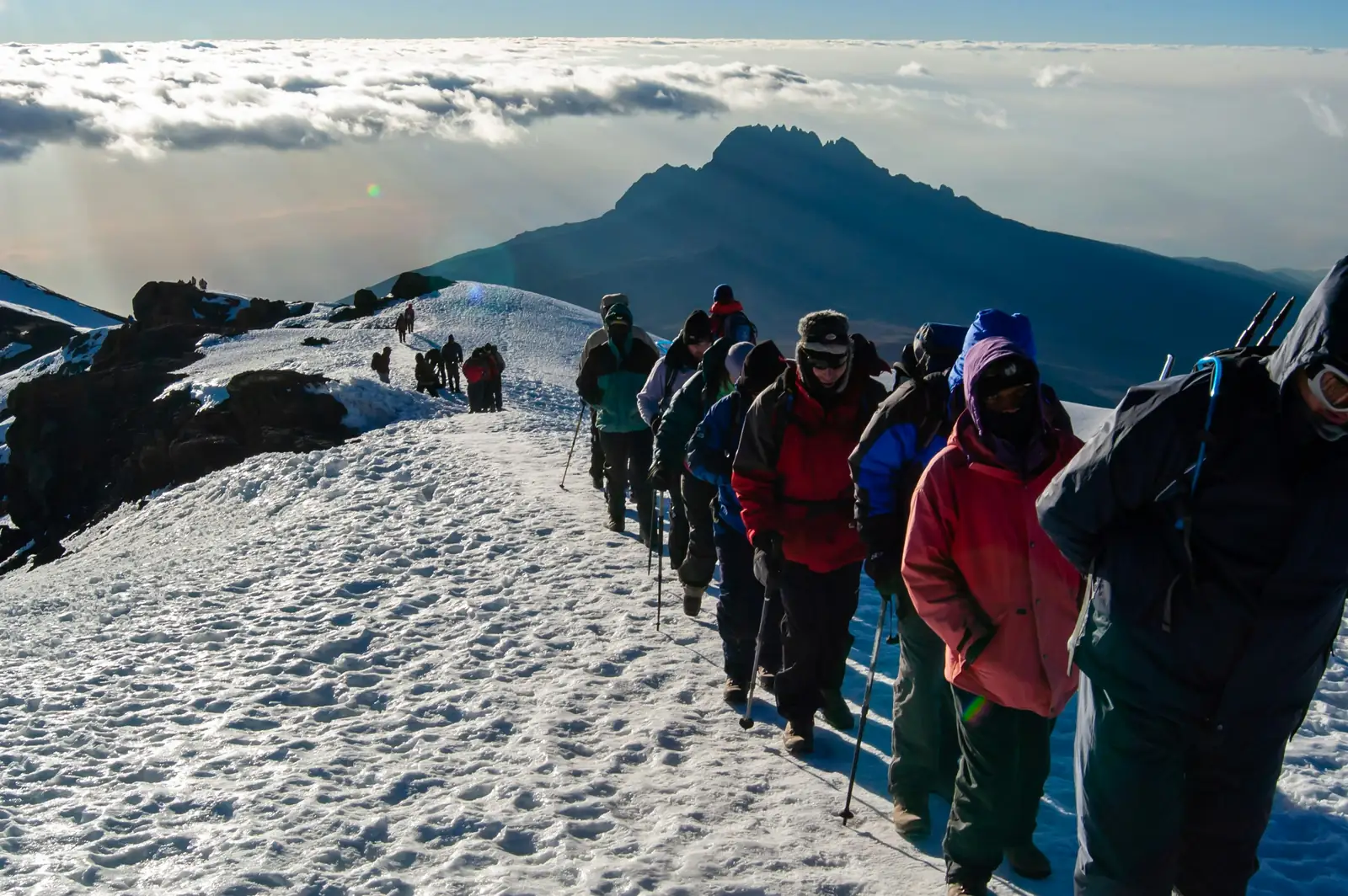
You set off around midnight, climbing slowly by headlamp in the cold. After about 5 to 7 hours you reach Stella Point on the crater rim, then walk about another hour along the rim to Uhuru Peak, the highest point in Africa, ideally around sunrise.
After your photos you descend to Barafu for a rest and a meal, then continue down to Mweka Camp at the edge of the forest. It is the longest and hardest day of the climb.
Overnight: Mweka Camp (tents)
Meals: Breakfast, Lunch, Dinner
↓ about 1,450 m · about 3–4 hours
A last walk down through the rainforest to Mweka Gate, where you sign out of the park and receive your summit certificate. Your driver takes you back to your hotel in Moshi for a hot shower and a rest.
Overnight: Hotel in Moshi (mid-range, or similar)
Meals: Breakfast, Lunch
After breakfast you are transferred to Kilimanjaro International Airport for your flight, or you can continue straight onto one of our safaris.
Meals: Breakfast
Price Per Person — Private Climb
| Group Size | Price Per Person |
|---|---|
| 1 Person | $2,450 |
| 2 People | $2,160 |
| 3 People | $2,060 |
| 4 People | $1,960 |
| 5 People | $1,920 |
| 6+ People | $1,870 |
Trip Notes
- Start & end: Moshi (Kilimanjaro Airport transfers available on request)
- 9 days in total: 7 days on the mountain + 2 hotel nights
- Private climb: your group only, on the dates you choose
- Groups of more than 6: price on request
- Prices may change if park fees change
Includes
- Kilimanjaro National Park conservation, camping and rescue fees
- Licensed mountain guides, cook and porters from our own crew
- A personal porter to carry your main bag
- Private portable toilet tent
- Emergency oxygen carried on the climb
- Mountain tents and a sleeping bag
- All meals on the mountain and drinking water
- 2 nights' hotel in Moshi with breakfast
- Transfers between your Moshi hotel and the park gates
- Summit certificate
Excludes
- International flights
- Tanzania visa fees
- Travel insurance covering trekking to 6,000 m and evacuation
- Tips for the mountain crew
- Personal climbing clothes and boots
- Drinks other than drinking water
- Lunch and dinner in Moshi
- Tanzania's compulsory inbound travel insurance for foreign visitors (44 US dollars per person, from 1 October 2026)
- Any government increase in park fees or taxes after booking
Questions Climbers Ask
How hard is the Machame route?
You do not need climbing experience, but it is a demanding trek. Most days are 4 to 8 hours of steady walking, the first two days are steep, the Barranco Wall needs your hands in places, and summit night lasts 10 to 14 hours in the cold. Regular hiking or cardio training in the months before the climb helps a lot.
Machame or Lemosho: which should I choose?
Both routes meet at the Lava Tower and share the same summit route. Lemosho starts on the quieter western side and has one more day on the mountain, which gives more time to acclimatise. Machame is one day shorter and costs less. If you have the time, the extra day is worth it.
When is the best time to climb?
The drier months, roughly January to early March and June to October, are the most popular. April, May and November are the wettest months: the trails are quieter but muddier and colder. We can climb all year.
What about altitude sickness?
Headache, nausea and tiredness are common as you climb. Your guides check on you every day and decide with you whether it is safe to continue. We carry emergency oxygen, but the real treatment for serious altitude sickness is going down. Talk to your doctor before the trip, especially about any medicines.
What insurance do I need?
Travel insurance that covers trekking up to 6,000 metres and emergency evacuation. Please check the altitude limit in your policy before you book.
What do I need to bring?
Warm layers, a down jacket, waterproof jacket and trousers, gloves, a warm hat, broken-in hiking boots, a headlamp and a daypack. Your sleeping bag is included. We send you a full packing list after booking.
Is tipping expected?
Tipping the mountain crew is customary on Kilimanjaro and is not included in the price. We send you clear guidance before the climb so you can plan for it.
