
Arusha National Park: Safari Guide
Arusha National Park lies on the slopes of Mount Meru, less than an hour from Arusha town. In one day you can look into the forested Ngurdoto Crater, drive past the Momella Lakes and walk among giraffes and buffalo with an armed ranger, something few parks in northern Tanzania allow.
Arusha National Park at a glance
| Size | About 552 km², a national park since 1960 |
| From Arusha | About 32 km, less than an hour by road |
| Highest point | Mount Meru, 4,566 m, the second-highest mountain in Tanzania |
| Best time | All year; the dry months give the clearest views of Meru and Kilimanjaro |
| Park fee (adult, 2026) | $59.00 per 24 hours ($53.10 from 15 March to 15 May) |
| Known for | Walking safaris with an armed ranger, Ngurdoto Crater, the Momella Lakes and forest monkeys |
Three landscapes in one small park
- Ngurdoto Crater: a forested volcanic crater about 3 km across. You look down into it from viewpoints on the rim, where buffalo often graze on the swampy floor far below.
- The Momella Lakes: a group of shallow alkaline lakes, each a slightly different colour because of the algae it holds. Flamingos and other waterbirds feed there at times.
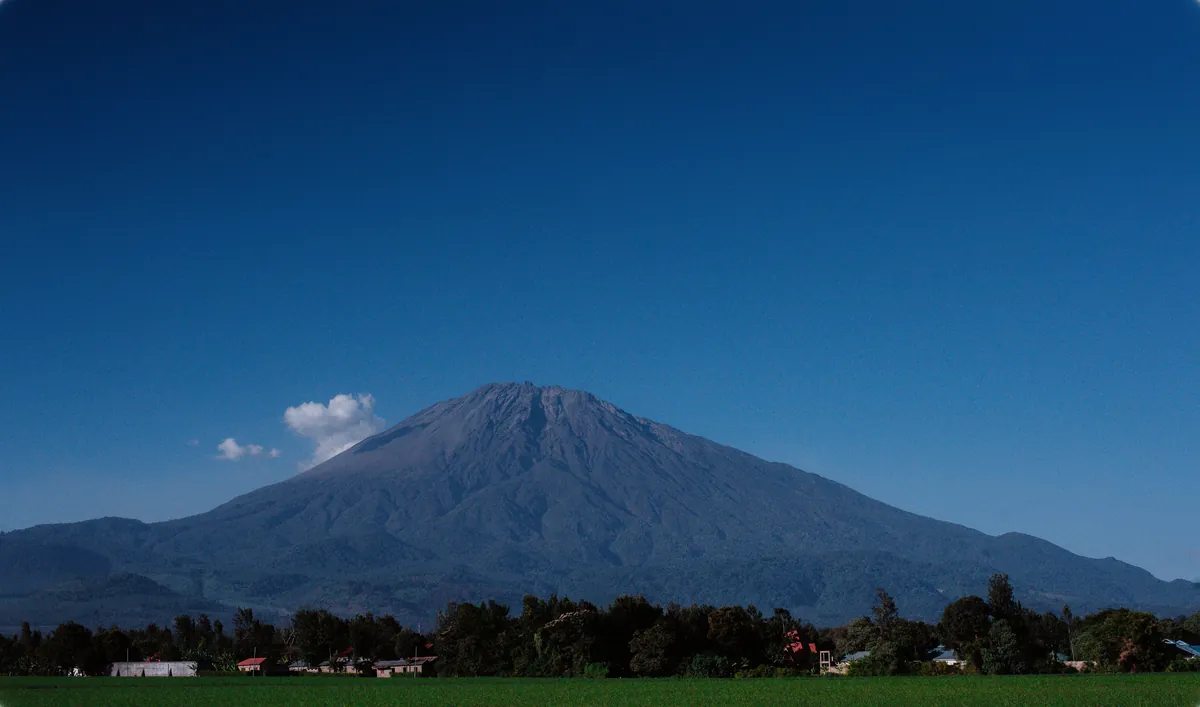
- Mount Meru: the volcano that dominates the western part of the park. Its lower slopes are covered in montane forest, and climbs to the summit start inside the park.
On a clear morning you can also see Kilimanjaro rising to the east.
Walking safaris
Because there are no resident lions, Arusha National Park is one of the few places in northern Tanzania where you can leave the vehicle and walk among wild animals. Every walk is led by an armed park ranger, who explains how to behave around animals and chooses the route. On foot you notice tracks, plants and birds that you would miss from a vehicle, and buffalo, giraffes and zebras feel very different when there is no car between you.
A popular route leads to Tululusia Waterfall, a 28 m fall on the slopes of Mount Meru. Our day trip includes a walk of about two to three hours, depending on the route and your pace. You need reasonable fitness and closed walking shoes.
Wildlife you can expect
- Giraffes, buffalo, zebras and warthogs: on the open glades and around the lakes.
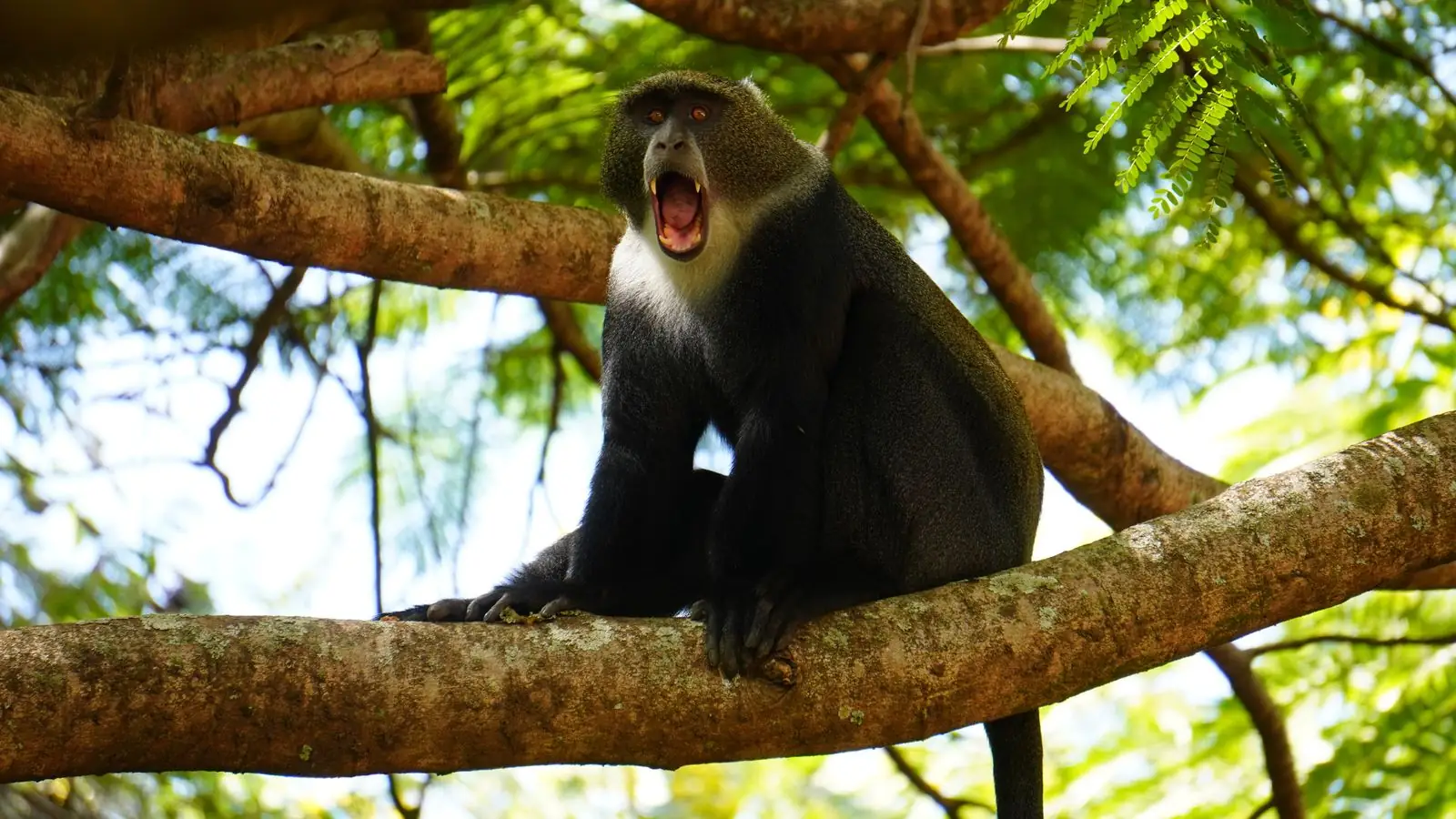
- Black-and-white colobus and blue monkeys: in the montane forest, often close to the road.
- Hippos: in some of the Momella Lakes.
- Flamingos and waterbirds: on the Momella Lakes when conditions suit them.
- No lions, and very few big cats: leopards live in the forest but are rarely seen. If big cats are your priority, combine the park with Tarangire, the Ngorongoro Crater or the Serengeti.
Park fees in 2026
Fees are charged per person for every 24 hours in the park. These are the rates for non-resident visitors, including 18% VAT:
| Fee | 16 May – 14 March | 15 March – 15 May |
|---|---|---|
| Adult, 16 and over | $59.00 | $53.10 |
| Child, 5 to 15 | $17.70 | $17.70 |
Children under 5 enter free. Walking safaris have an extra fee for the armed ranger and the walk. Example: a day trip in August costs $59.00 per adult in entry fees, plus the walking fee. On our day trip all of these are included in the price.
Source: Tanzania National Parks (TANAPA) tariff, checked October 2026. The government can change fees at any time; any increase after you book is shown in our list of exclusions.
Getting there from Arusha
The park lies east of Arusha, off the main road towards Moshi and Kilimanjaro Airport. It is about 32 km from the town centre and takes less than an hour to reach, which makes it the easiest park to visit on the day you arrive, the day before a longer safari or the day before you fly home.
- By road
- Arusha
Lines show the order of travel, not the exact roads.
When to go
- June to October and January to February: drier weather and the best chance of clear views of Mount Meru and Kilimanjaro.
- March to May and November: the rains. The forest is at its greenest, but walking trails can be muddy and the mountains are often in cloud. Park fees are lower from 15 March to 15 May.
Practical tips
- Wear closed walking shoes and long trousers for the walking safari, and bring a light rain jacket in the wet months.
- Bring binoculars for the colobus monkeys high in the trees and the birds on the Momella Lakes.
- Canoe trips on one of the Momella Lakes and climbs of Mount Meru are also possible in the park. Both cost extra; ask us if you are interested.
Questions travellers ask
Is Arusha National Park worth visiting?
Yes, especially if you have a free day in Arusha or want to walk rather than sit in a vehicle. It is close to town and varied, with forest, crater views, lakes and Mount Meru. It is not the place for big cats, so treat it as a different kind of day rather than a substitute for the Serengeti.
Are there lions in Arusha National Park?
No. The park has no resident lions, which is one reason guided walks are possible. Leopards live in the forest but are rarely seen.
Can you walk in Arusha National Park?
Yes. Walking safaris are led by an armed park ranger and usually last two to three hours on our day trip. The park sets a minimum age for walking, so tell us the ages of any children when you enquire.
How far is Arusha National Park from Arusha town?
About 32 km, less than an hour by road, so you spend most of the day in the park rather than driving.
How much is the Arusha National Park fee?
In 2026 it is $59.00 per adult for every 24 hours from 16 May to 14 March, and $53.10 from 15 March to 15 May, including VAT. Children aged 5 to 15 pay $17.70 and children under 5 enter free. The walking safari has its own fee. On our day trip all of these are included.
Plan your safari with a local team
Tell us your dates, group size and interests, and we reply within 24 hours with an itinerary and a clear price.
