
Ruaha National Park: Safari Guide
Ruaha is a big, wild park in the heart of Tanzania, far from the busy northern circuit. Its rivers, rocky hills and baobab-covered plains draw elephants, lions and antelopes that you rarely see in the north, such as greater kudu.
Ruaha at a glance
| Size | About 20,226 km² since the Usangu area was added in 2008; the second-largest national park in Tanzania, after Nyerere |
| National park since | 1964 |
| Getting there | Scheduled flights from Dar es Salaam to the Msembe airstrip, about 2 to 2½ hours; or about 130 km by road from Iringa |
| Best time | June to October, the dry season |
| Park fees | Included in our tours |
| Known for | The Great Ruaha River, lions, elephants, greater kudu and baobab trees |
A wild park in the heart of Tanzania
Ruaha is big, rugged and far from the busy northern circuit. The Great Ruaha River and its sand rivers cut through rocky hills and plains dotted with baobabs, and in the dry season they become the lifeline of the park. It lies where East African and southern African habitats meet, so you can see animals here that are rare or absent in the north.
Wildlife you can expect
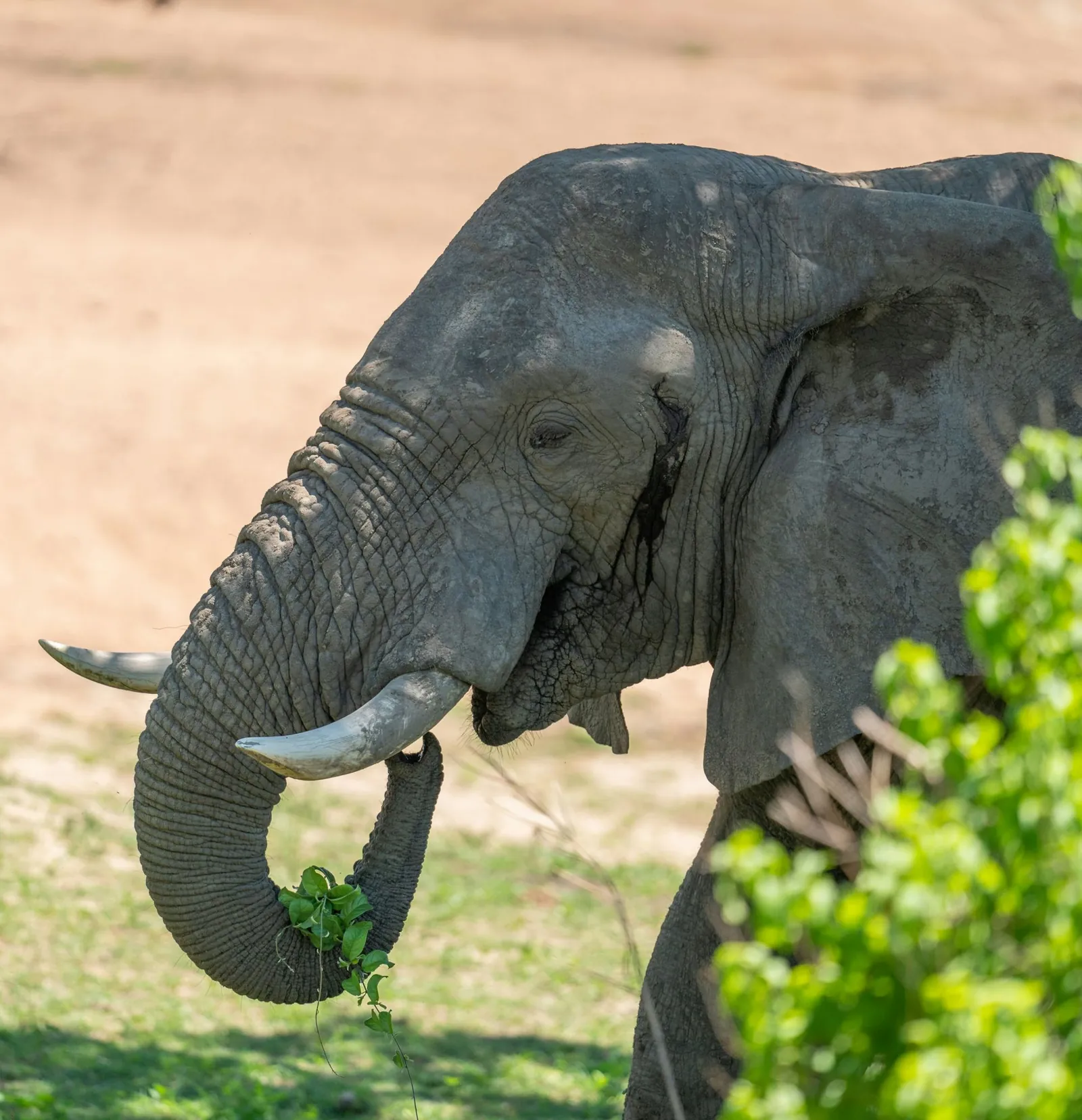
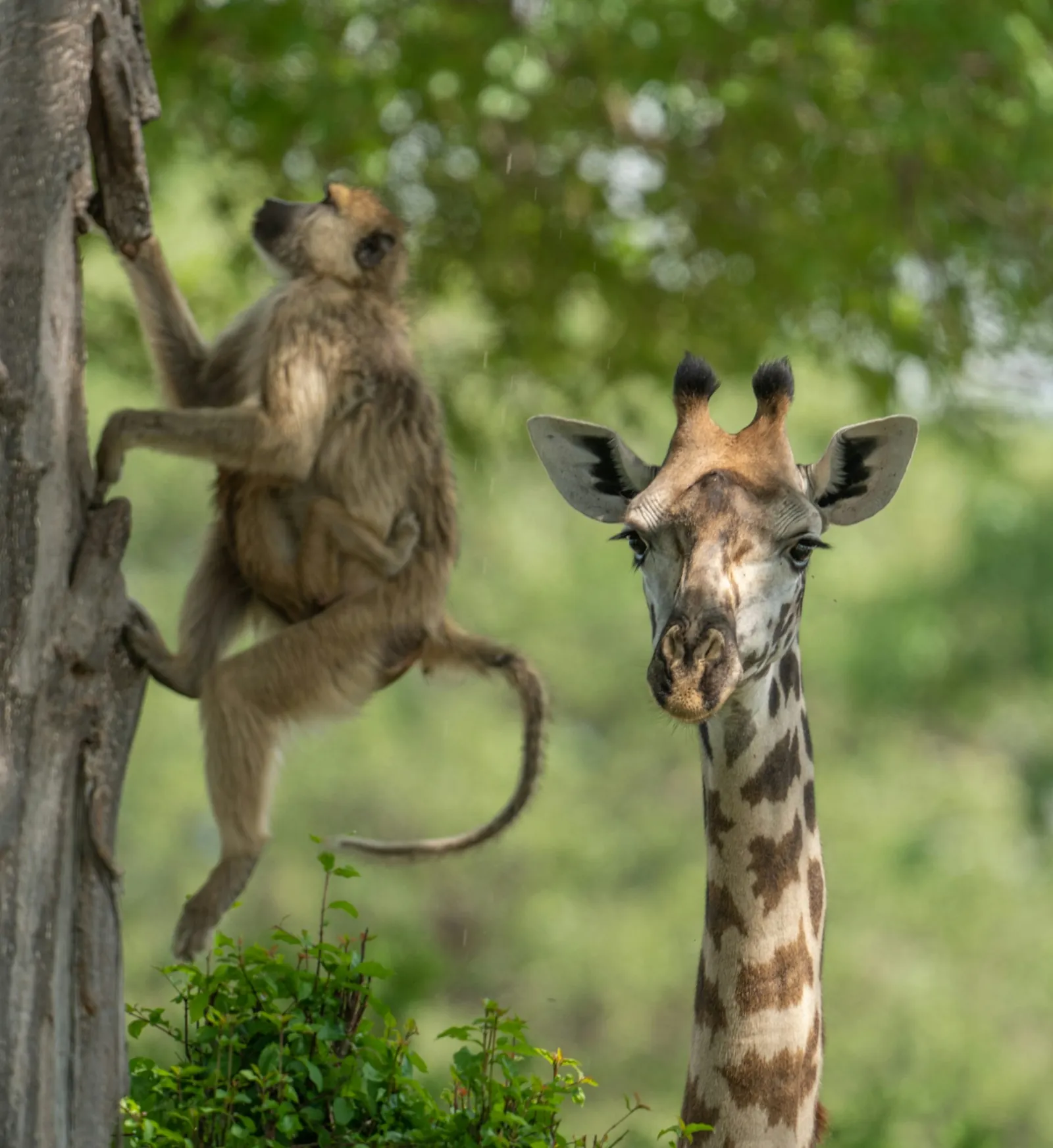
- Elephants, buffalo, giraffes, zebras and impalas: common, especially near the rivers in the dry season.
- Lions: Ruaha is known for its lions.
- Greater and lesser kudu: antelopes you are unlikely to see in the northern parks. Sable and roan antelope live here too but are rarely seen.
- Leopards, cheetahs and African wild dogs: seen sometimes, never guaranteed.
- Birds: over 400 species have been recorded.
Park fees
Park fees are set by Tanzania National Parks (TANAPA). The 2026 figures published by different sources disagree, so we do not list them here: they are included in the price of all our tours, and we confirm the current official figures when you book.
Getting there
- By air: scheduled light aircraft from Dar es Salaam to the Msembe airstrip in the park, about 2 to 2½ hours depending on stops. Luggage is usually limited to about 15 kg per person in a soft bag.
- By road: about 130 km from Iringa, which is itself a long drive from Dar es Salaam, so most visitors fly.
When to go
- June to October: the dry season, the best time for game drives, with animals concentrated along the rivers.
- November to May: the rains. The park turns green and many camps close for part of this time, roughly March to May.
Practical tips
- Stay at least three nights: Ruaha is far to reach and rewards time.
- Game drives are usually run by your camp and shared with other guests; ask us if you would like a private vehicle.
- Some camps offer walking safaris; ask us when you enquire.
Questions travellers ask
How do I get to Ruaha?
Most visitors fly: scheduled light aircraft from Dar es Salaam to the Msembe airstrip take about 2 to 2½ hours, depending on stops. By road it is about 130 km from Iringa.
Is Ruaha better than the Serengeti?
It is different. Ruaha has far fewer visitors, rugged scenery with baobabs and rivers, and animals such as greater kudu that you are unlikely to see in the north. The Serengeti has the Great Migration and huge open plains. Many travellers who have seen the north choose Ruaha for a second safari.
Are there lions in Ruaha?
Yes. Ruaha is known for its lions. Leopards, cheetahs and wild dogs are seen more rarely, and no sighting can be guaranteed.
How much is the Ruaha park fee?
The fee is set by TANAPA and charged per person for every 24 hours. The 2026 figures published by different sources disagree, so we confirm the official figure when you book. Park fees are included in the price of our Ruaha safari.
When is the best time to visit Ruaha?
June to October, the dry season, when animals gather along the rivers. Many camps close for part of the rainy season, roughly March to May.
Plan your safari with a local team
Tell us your dates, group size and interests, and we reply within 24 hours with an itinerary and a clear price.
