
Tarangire National Park: Safari Guide
Tarangire is the closest of the big northern parks to Arusha, about two hours by road, and one of the best places in Tanzania for large elephant herds. Its 2,850 km² of baobab woodland, river valley and swamp are at their best in the dry season, when animals gather along the Tarangire River.
Tarangire at a glance
| Size | 2,850 km², a national park since 1970 |
| From Arusha | About 120 km, roughly 2 hours by road |
| Best time | June to October, when animals gather at the river; good all year |
| Park fee (adult, 2026) | $59.00 per 24 hours ($53.10 from 15 March to 15 May) |
| Known for | Elephant herds, baobab trees and more than 550 bird species |
| How long to stay | A full day trip, or one night to be in the park at dawn and dusk |
Why visit Tarangire
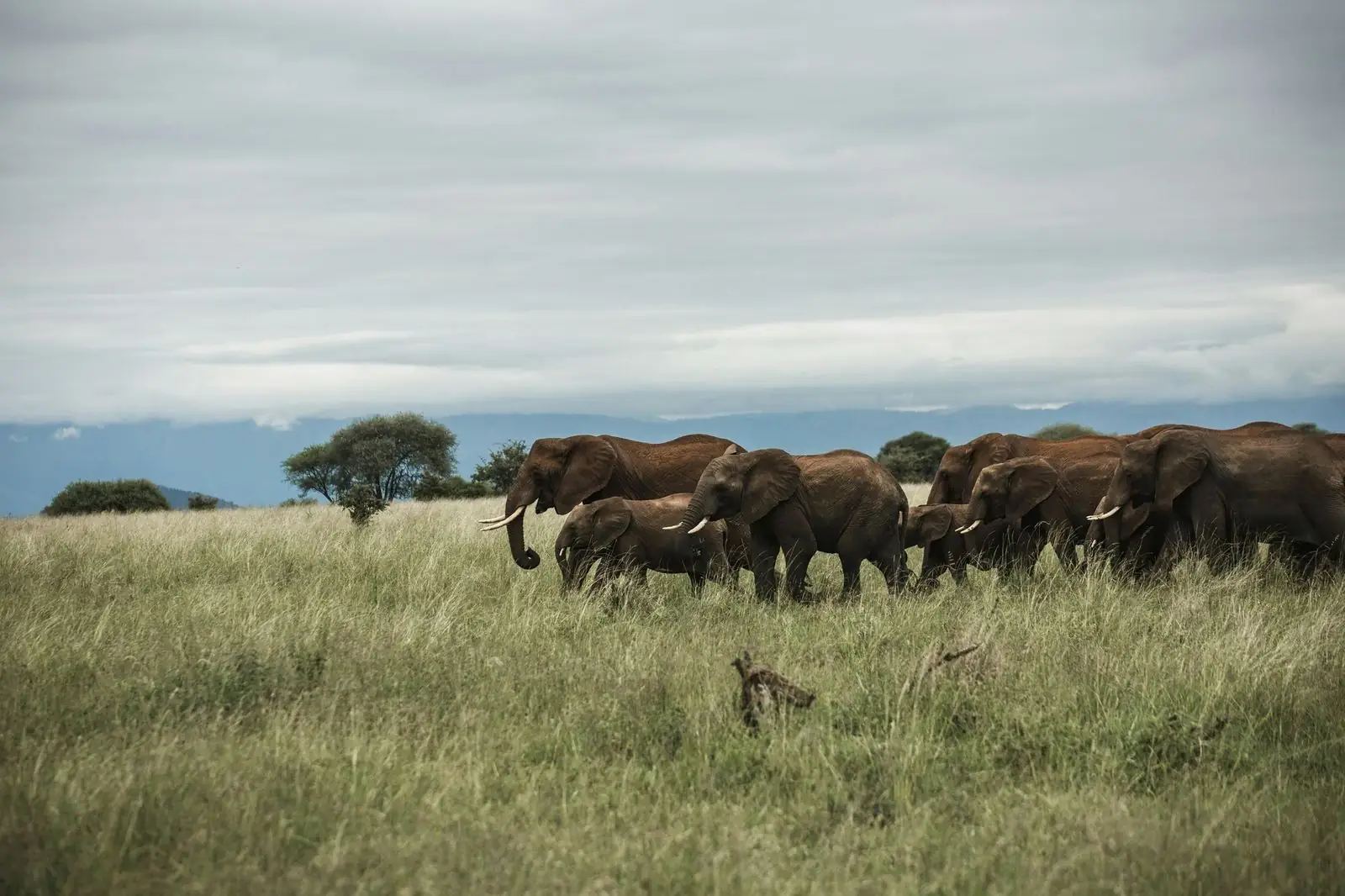
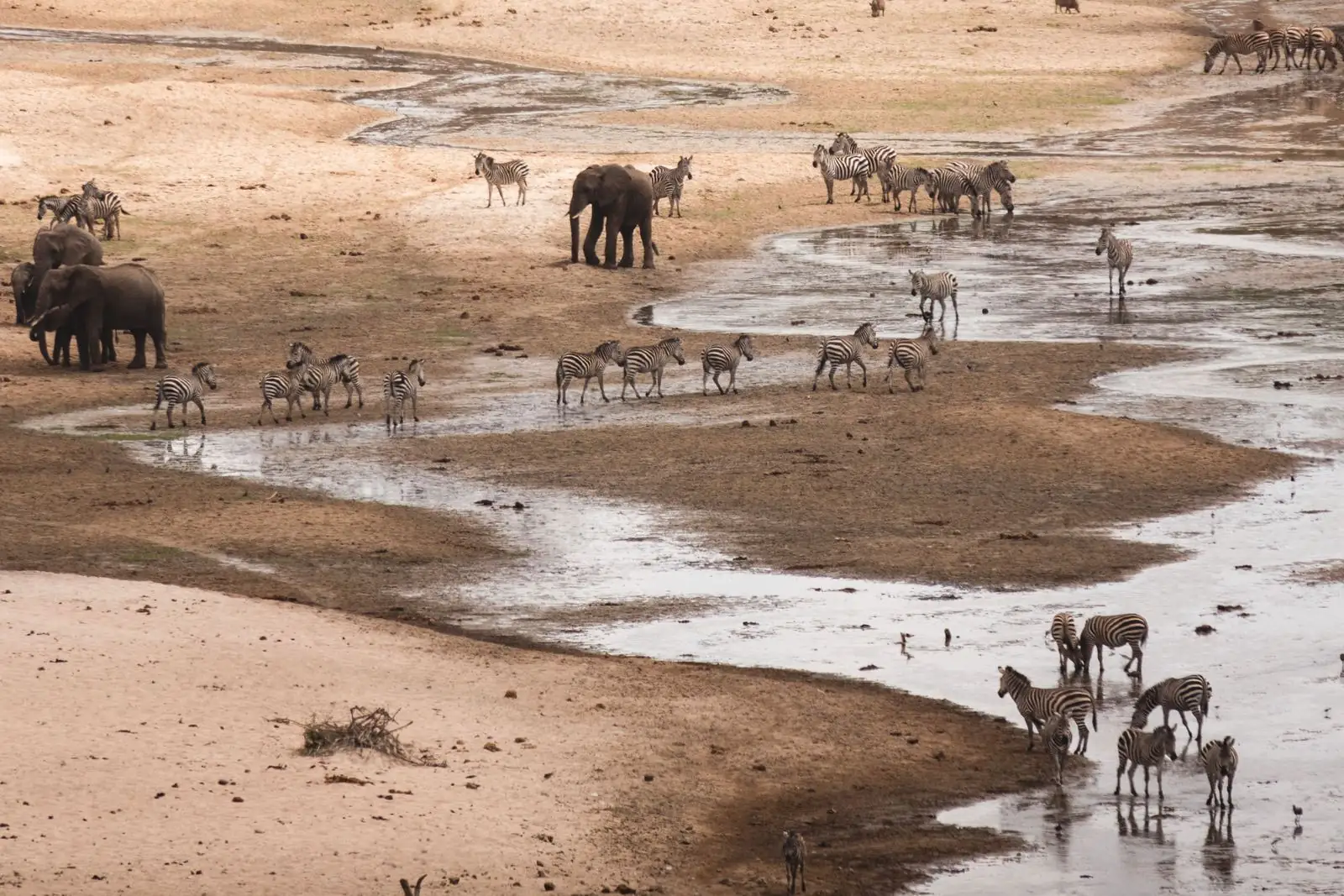
In the dry months the Tarangire River is the only reliable water for a large area around the park, so elephants, zebras, wildebeest, buffalo and the predators that follow them move in from outside. Large elephant families coming down to the river are a daily sight at this time of year.
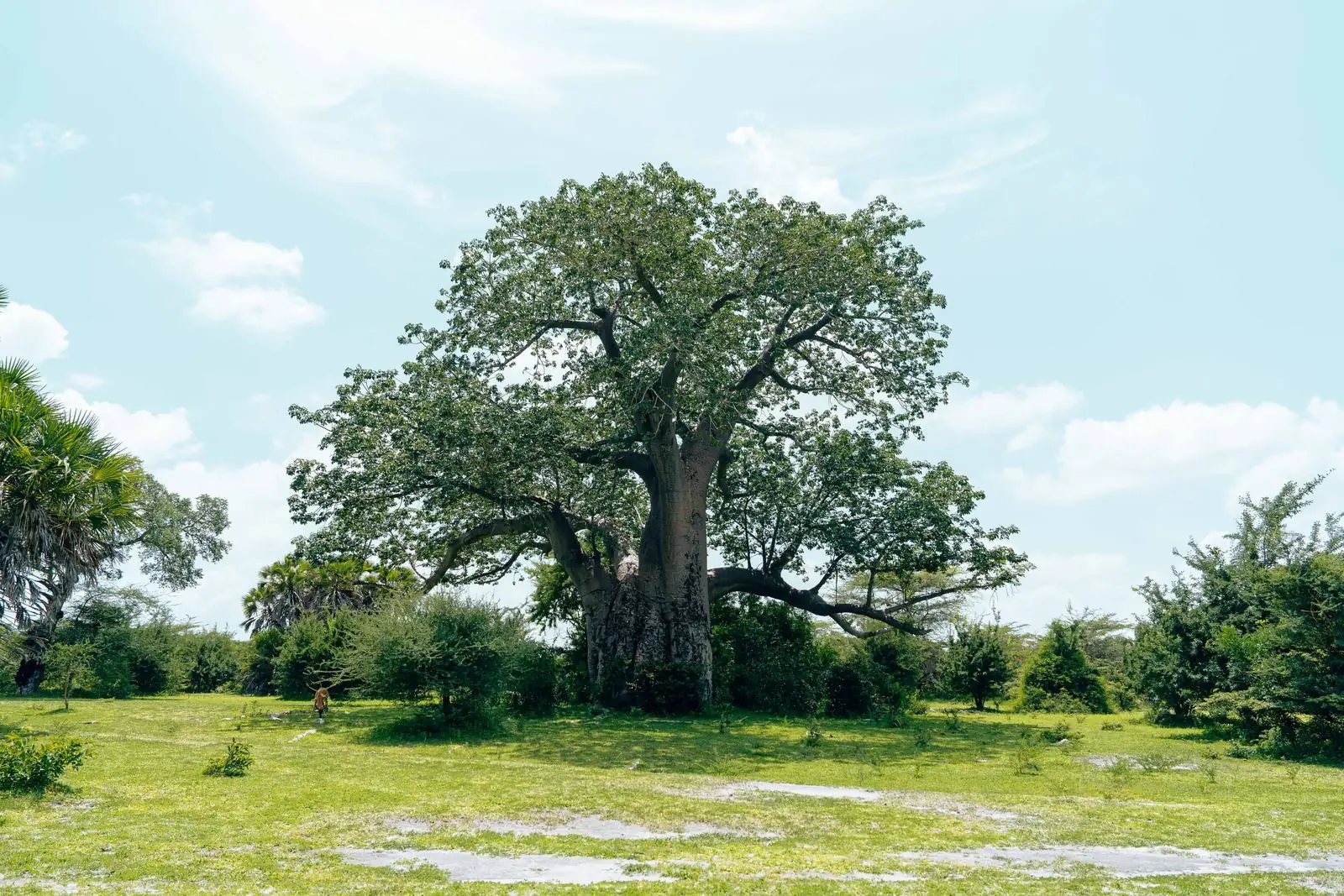
The park also looks different from the Serengeti and the Crater. Huge baobab trees, many of them hundreds of years old, stand among the acacias. Because it is so close to Arusha, Tarangire is often the first park on a northern safari.
When to go
- June to October: the dry season and the best time. Animals concentrate along the river and the grass is short.
- November to May: the rains. Many animals spread out beyond the park, but it is green, quiet and excellent for birds, and park fees are lower from 15 March to 15 May.
For the whole country, see the best time for a Tanzania safari.
Wildlife you can expect
- Elephants: the park's signature, with big family groups along the river in the dry season.
- Predators: lions are seen regularly; leopards and cheetahs less often.
- Grazers and browsers: giraffes, zebras, wildebeest, buffalo and impala, plus dry-country antelope such as fringe-eared oryx and lesser kudu that are rare elsewhere on the northern circuit.
- Birds: more than 550 species recorded, including kori bustards, yellow-collared lovebirds and many birds of prey.
- Silale Swamp: in the south of the park, it keeps water all year and draws elephants, buffalo and water birds.
Park fees in 2026
Fees are charged per person for every 24 hours in the park. These are the rates for non-resident visitors, including 18% VAT:
| Fee | 16 May – 14 March | 15 March – 15 May |
|---|---|---|
| Adult, 16 and over | $59.00 | $53.10 |
| Child, 5 to 15 | $17.70 | $17.70 |
Children under 5 enter free. A day trip in August costs $59.00 per adult in park fees. A visit that runs from one morning to the afternoon of the next day counts as two periods of 24 hours: 2 × $59.00 = $118.00 per adult in the dry season. On our safaris the fees are included in the price.
Sources: Tanzania National Parks (TANAPA) tariff and the Ngorongoro Conservation Area Authority (NCAA), checked October 2026. The government can change fees at any time; any increase after you book is shown in our list of exclusions.
Day trip or overnight?
- Day trip: Tarangire is close enough to Arusha for a full day of game drives and back by evening. See our Tarangire Day Trip.
- One night: stay in or just outside the park to be on the tracks at sunrise and in the late afternoon, when animals are most active and the light is best.
- On a longer safari: Tarangire is usually the first or last stop, combined with Lake Manyara, the Ngorongoro Crater and the Serengeti.
Getting there from Arusha
The road goes west from Arusha to Makuyuni, then south towards Babati; the park gate is a few kilometres off the main road. The trip takes about two hours.
- By road
- Arusha
Lines show the order of travel, not the exact roads.
Where you will stay
- Inside the park: lodges and tented camps with views over the river valley, at higher prices.
- Just outside the park: camps and lodges near the gate and around Lake Burunge, which usually cost less.
- In Mto wa Mbu or Karatu: many safaris visit Tarangire for the day and sleep closer to the next park.
Practical tips
- Tsetse flies live in the wooded parts of the park. They are drawn to dark blue and black, so wear light, neutral colours and bring insect repellent.
- Bring binoculars: the birdlife is one of the best on the northern circuit.
- Midday is hot in the dry season. Game drives are best early and late, with a long lunch in between.
Questions travellers ask
Is Tarangire worth visiting?
Yes, especially from June to October, when large elephant families gather along the Tarangire River. It is quick to reach from Arusha and usually less busy than the Serengeti or the Ngorongoro Crater.
How far is Tarangire from Arusha?
About 120 km, roughly two hours by road.
Can I visit Tarangire on a day trip?
Yes. Our Tarangire Day Trip leaves Arusha at 7:30 to 8 a.m., includes game drives and lunch in the park, and returns in the evening. It costs from $185 per person in a group of six.
What is the best month to visit Tarangire?
August to October usually brings the most animals to the river. June and July are also very good and a little cooler. In the rainy months many animals spread out beyond the park, but it is green, quiet and excellent for birds.
How much is the Tarangire park fee?
In 2026 it is $59.00 per adult for every 24 hours from 16 May to 14 March, and $53.10 from 15 March to 15 May, including VAT. Children aged 5 to 15 pay $17.70 and children under 5 enter free.
Plan your safari with a local team
Tell us your dates, group size and interests, and we reply within 24 hours with an itinerary and a clear price.
